On this page
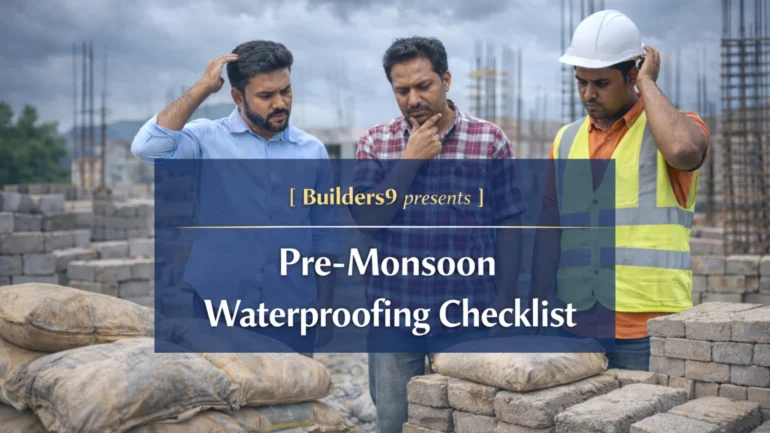
The first rain always feels great. Smell of wet soil, a break from the summer heat. But once that joy passes, reality hits—water stains on the ceiling, damp walls, and in some unlucky cases, buckets placed under leaks.
If you don’t want to deal with that mess this year, now’s the time to prep. Here’s a checklist I’ve used (and seen others ignore, only to regret it later).
1. Roof and Terrace
Go up and walk around your terrace. Do you see tiny cracks? Maybe water is pooling in one corner instead of flowing out. That’s a sign the slope is wrong or the waterproofing layer is gone. Fix it now, because once the rain starts, it’s too late.
2. Outside Walls
Take a slow look at the external walls. Even hairline cracks let moisture in. You know those ugly damp patches that spread inside? Yep, they often start outside. Scrape off flaky paint, seal cracks, and if the budget allows, slap on a fresh weatherproof coat.
3. Drains and Gutters
This one’s boring but super important. Leaves, dust, and even small plastic bags can clog drains. And one blocked downpipe can flood an entire floor. Clean them out. Pour some water through to check the flow. Don’t just assume they’re fine.
4. Windows and Doors
Rainwater loves sneaking in through gaps. Press against the window frames. Any movement? That’s a leak waiting to happen. Sealants dry out over time, wood swells, glass loosens. Fix them now — a bit of silicone or a quick polish goes a long way.
5. Basements and Bathrooms
Basements are always trouble during heavy rain. Look for dampness or white salt marks on walls—early signs of seepage. Bathrooms too: weak grout between tiles can let water slip through to the next room. Re-grouting is simple, but ignoring it? Costly.
6. Tanks and Parapets
Check the overhead water tank. Cracks, loose joints, or open edges around parapet walls are common culprits for terrace leaks. A waterproof coating here can save you headaches later.
A Quick Tip
Don’t wait till the first downpour. Waterproofing takes time to cure. If you start work only after the rains begin, you’re already too late.
Final Word
Waterproofing isn’t just about avoiding damp patches. It’s about protecting your home, keeping repairs affordable, and yes — saving yourself from the stress of scrambling with buckets in the middle of the night.

Buying guides, material price updates and building tips from the Builders9 team.